
Window tinting helps protect furniture, flooring, and interior materials by blocking harmful ultraviolet rays that cause fading, discoloration, cracking, and long-term deterioration. High-performance window films reduce UV exposure, heat buildup, and glare before sunlight damages interior surfaces, helping homes and commercial spaces maintain their appearance, comfort, and long-term value.
Many property owners assume fading is simply unavoidable in bright indoor spaces. In reality, prolonged UV exposure is one of the biggest reasons flooring, upholstery, wood finishes, and decorative materials lose their original appearance over time. Professionally installed window film acts as a performance solution that slows the damage while also improving comfort and energy efficiency.
Understanding What Causes Interior Fading
Sunlight may make a space feel bright and open, but over time, it can quietly damage nearly every exposed interior surface.
UV Radiation Is the Primary Cause
Ultraviolet rays break down dyes, pigments, and fibers within materials. Continuous exposure gradually causes:
- Hardwood floors to discolor
- Furniture fabrics to fade unevenly
- Leather to crack and dry out
- Artwork and décor to lose vibrancy
- Vinyl and plastics are becoming brittle
This damage often happens slowly enough that property owners do not notice it until fading becomes severe.
Heat Accelerates Material Deterioration
Excessive solar heat compounds the issue. Interior temperatures rise near untreated glass, increasing wear on sensitive materials.
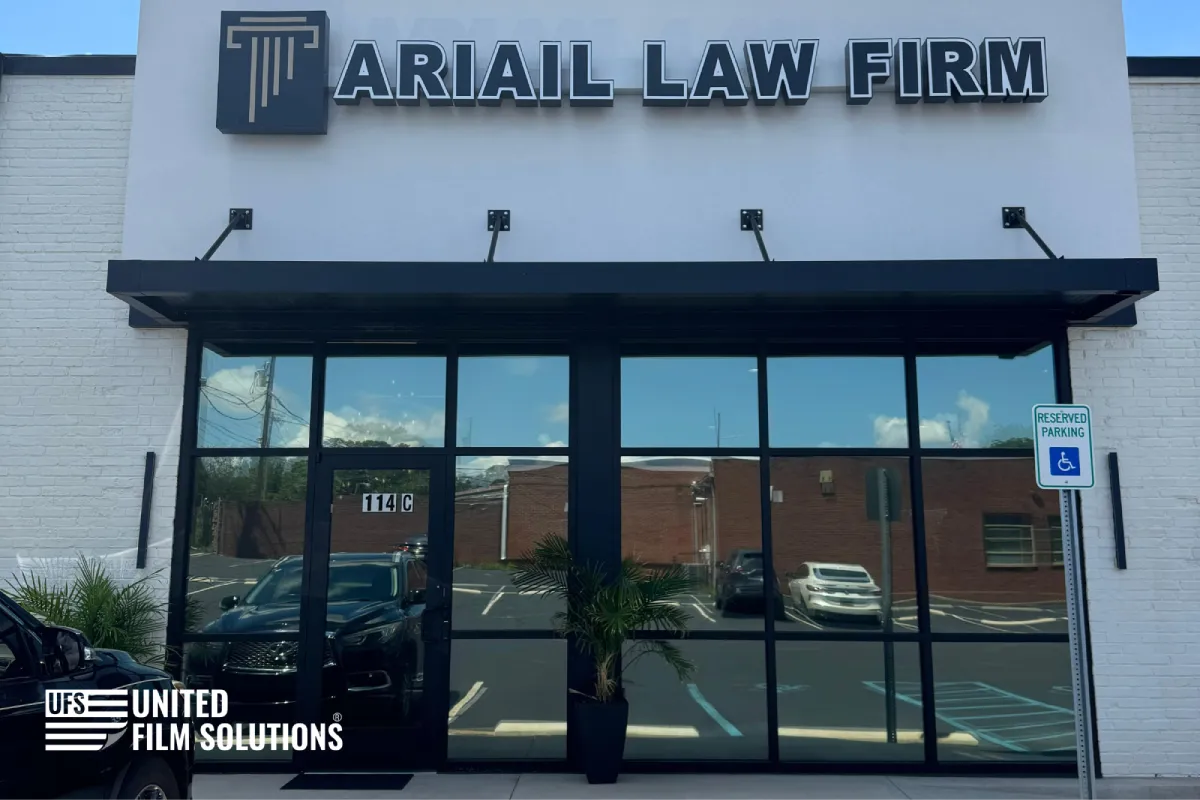
In commercial spaces throughout Spartanburg, SC, offices with large storefront windows frequently experience uneven fading near conference rooms, waiting areas, and front-facing workspaces due to constant afternoon sun exposure.
Glare Creates Additional Comfort Problems
Sunlight does more than damage interiors. It also creates:
- Eye strain
- Screen visibility issues
- Inconsistent lighting conditions
- Reduced workspace comfort
This is why modern window film should never be viewed as “just tint.” It is a performance upgrade for the space itself.
How Window Tinting Protects Interior Materials
Professional window film works by controlling how sunlight enters a building. Instead of allowing full-spectrum solar radiation to pass through untreated glass, quality film selectively rejects harmful components that contribute to fading and heat buildup.
Harmful UV Rejection
High-performance window film blocks a significant percentage of harmful UV radiation before it reaches interior surfaces.
This helps protect:
- Wood flooring
- Upholstery
- Office furniture
- Retail displays
- Artwork
- Carpeting
- Interior finishes
For businesses researching window tinting in Spartanburg, SC, UV protection is often one of the most important long-term benefits because replacement costs for damaged interiors can become substantial over time.
Heat and Solar Control
Heat reduction is another major advantage. Window film reduces solar heat gain that builds up through untreated glass throughout the day.
This helps:
- Stabilize indoor temperatures
- Reduce hot spots near windows
- Improve occupant comfort
- Lower HVAC strain
Many commercial clients notice that solar film improves comfort almost immediately in offices with heavy sun exposure.
Glare Reduction Without Losing Natural Light
A common misconception is that window film makes spaces dark. Modern architectural films are designed to reduce glare while still preserving natural light and maintaining a clean, professional appearance.
The goal is balance:
- Comfortable brightness
- Reduced eye strain
- Better visual consistency
- Improved workspace usability
Window Film vs Untreated Glass
Understanding the difference between untreated windows and professionally installed film makes the value much clearer.
| Feature | Untreated Glass | Standard Window Film | High-Performance Film |
| UV Protection | Minimal | High | Very High |
| Heat Rejection | Low | Moderate | High |
| Glare Reduction | Minimal | Moderate | Excellent |
| Interior Fade Protection | Low | Moderate | Excellent |
| Energy Efficiency | Low | Moderate | High |
The performance difference becomes especially noticeable in commercial environments where large glass surfaces constantly absorb solar heat throughout the day.
Why Window Film Is a Long-Term Investment
Many property owners initially consider window tinting for appearance alone, but the long-term practical benefits are often far more valuable. Replacing faded flooring, damaged upholstery, or deteriorated office furnishings can become extremely expensive over time. Professionally installed film helps extend the lifespan of these materials while supporting more consistent indoor comfort.
Reducing solar heat transfer also improves HVAC efficiency by lowering the cooling demand placed on the building. This can help reduce temperature fluctuations and improve overall energy performance. In larger commercial spaces, even modest reductions in heat gain may contribute to noticeable operational savings over time.
Comfort is another major factor. Employees, customers, and guests tend to notice when a space feels cooler, less harsh, and easier to occupy throughout the day. This is particularly important in office buildings and storefronts where excessive glare and heat can negatively affect productivity and customer experience.
Applying Our Performance-Driven Window Film Approach
At United Film Solutions, window film is approached as a science-backed performance solution, not simply a darker piece of glass.
Most people think film performance comes from darkness alone. That is not how modern film technology works. Real performance comes from how the film manages heat, UV radiation, glare, and energy transfer.
Our process focuses on helping clients choose the right solution for the specific environment rather than simply recommending whatever product is available.
What Our Approach Prioritizes
We focus on:
- Interior Heat and Glare Rejection
- Harmful UV Rejection
- Enhanced Privacy and Comfort
- Energy Efficiency and HVAC Performance
The goal is not simply to install film. The goal is to improve how the space performs long-term.
Why Professional Specification Matters
Every building behaves differently depending on:
- Window orientation
- Sun exposure
- Glass type
- Interior layout
- Lighting conditions
This is why our process emphasizes education and guidance instead of sales pressure.
For commercial projects involving window tinting solutions in Spartanburg, we help clients understand:
- What the film actually does
- Which performance metrics matter
- How different film types affect comfort and appearance
- What solution best fits the space
Built Around Long-Term Performance
Our standards are simple:
- Simple. Confident. Established.
- Precise. Trusted. Proven.
- Contractor & Client Approved
- Verified Installations
We believe quality comes from doing the work correctly the first time, using the proper film for the application, not rushing through installations or pushing unnecessary products.
That philosophy has helped United Film Solutions become a trusted partner for businesses that value professionalism, consistency, and long-term results.
Common Misconceptions About Window Tinting
One of the most common misconceptions is that window film will make interiors feel dark or closed in. Modern architectural films are designed to maintain natural light while reducing heat and glare. In many commercial projects, clients are surprised by how much more comfortable the space feels without dramatically changing brightness or visibility.
Another misconception is that all films perform the same way. In reality, film quality, installation precision, and proper specification make a significant difference in long-term performance and durability.
Why Professional Installation Matters
Even high-quality film can underperform if installed improperly. Precision installation helps prevent bubbling, peeling, contamination, and uneven appearance while ensuring the film performs as intended for years.
Professional installers also help property owners choose the correct solution for the space rather than selecting film based only on appearance. Different environments require different levels of heat rejection, glare control, and visibility depending on the building’s layout and sun exposure.
For businesses considering Spartanburg window tinting solutions, working with a professional company that understands performance specifications and long-term results is critical to getting the full value of the investment.
Conclusion: Protect Your Interior Spaces with Long-Term Window Film Performance
Window tinting is one of the most effective ways to protect furniture, flooring, and interior materials from long-term UV fading and heat damage. By reducing ultraviolet exposure, glare, and solar heat gain, professionally installed window film helps preserve interior appearance while improving comfort and energy efficiency. For businesses and property owners looking into window tinting solutions, choosing the right film and the right installation partner matters.
At United Film Solutions, we focus on professionally specified and installed window film solutions designed to improve comfort, appearance, and long-term building performance without the confusion or sales pressure common in the industry.
Ready to protect your space and improve interior comfort? Contact us today to request a free quote or schedule a consultation, and discover the right window film solution for your home or business.
People Also Ask
Does window tinting really prevent furniture fading?
Window film significantly reduces UV exposure, helping slow fading and deterioration caused by prolonged sunlight.
Can window film protect hardwood floors?
Yes. UV-blocking window film helps preserve wood flooring by reducing direct sunlight and heat exposure.
Does commercial window film improve energy efficiency?
Yes. Solar control films reduce heat transfer through glass, helping improve HVAC performance and indoor comfort.
Will window tint make my office too dark?
No. Many modern films are designed to maintain natural light while reducing glare and heat.
How long does professional window film last?
High-quality professionally installed window film can last many years, depending on environmental conditions and film type.