
Residential and commercial window tinting both use window film to reduce heat, block UV rays, improve comfort, and increase energy efficiency, but they are designed for different purposes. Residential window tinting focuses on home comfort, privacy, and interior protection, while commercial window tinting is built for larger properties that need better energy control, glare reduction, and workplace comfort.
Choosing the right window film depends on the building type, window size, sunlight exposure, and the goals of the property owner.
Why Understanding the Difference Matters
Many people think window tinting only changes the appearance of glass, but modern window films provide much more than a darker look. They help manage solar heat, reduce glare, protect interiors from fading, and improve indoor comfort.
Homes and businesses experience different challenges. A homeowner may want to protect furniture and reduce room temperatures, while a business owner may need to control heat across large glass surfaces and create a more comfortable environment for employees and customers.
Selecting the correct type of window film ensures better performance and a longer-lasting investment.
Residential vs. Commercial Window Tinting Comparison
| Feature | Residential Window Tinting | Commercial Window Tinting |
| Main Purpose | Comfort, privacy, UV protection | Energy savings, glare control, security |
| Common Locations | Homes, apartments, condos | Offices, retail buildings, facilities |
| Window Size | Smaller residential glass | Large commercial glass panels |
| Primary Benefit | Improved home comfort | Better building efficiency |
| Privacy Needs | Household privacy | Employee and customer privacy |
| Installation Scope | Individual rooms or homes | Large-scale projects |
What Is Residential Window Tinting?
Residential window tinting applies specialized film to home windows to reduce heat, minimize glare, improve privacy, and protect interior belongings from UV damage.
Many homeowners choose window film because it improves comfort without requiring expensive window replacement. It allows natural light into the home while reducing the negative effects of direct sunlight.
Residential Window Tinting Benefits
Heat Reduction
Window film reduces solar heat entering the home, helping maintain more comfortable indoor temperatures.
UV Protection
Quality films block harmful UV rays that contribute to fading furniture, flooring, artwork, and fabrics.
Privacy Enhancement
Privacy films allow homeowners to enjoy natural light while limiting visibility from outside.
Glare Control
Window tint reduces glare on televisions, computer screens, and other devices.
What Is Commercial Window Tinting?
Commercial window tinting is designed for offices, retail stores, schools, medical facilities, and other business properties that require improved energy performance and comfort.
Large commercial buildings often experience significant heat gain through windows. Installing the right film can help regulate temperatures, reduce glare, and create a more comfortable environment for employees and visitors.
Businesses investing in business window tinting in Spartanburg, SC often look for solutions that improve energy efficiency while maintaining a professional appearance.
Commercial Window Tinting Benefits
Solar Heat Control
Reduces the amount of heat entering through glass surfaces.
Energy Efficiency
Helps reduce HVAC workload by limiting solar heat gain.
Glare Reduction
Improves visibility on computer screens and digital displays.
Security Enhancement
Certain films help hold broken glass together after impact.
Window Film Specifications
Visible Light Transmission (VLT)
Definition: The percentage of visible light that passes through the window film.
Solar Heat Rejection
Definition: The ability of the film to reduce heat entering through glass.
UV Rejection
Definition: The percentage of ultraviolet rays blocked by the film.
Infrared Rejection
Definition: The amount of infrared heat reflected away from the building.
Safety Film
Definition: A thicker film designed to help keep shattered glass together.
6 Key Differences Between Residential and Commercial Window Tinting
1. Purpose
Residential films are designed around comfort, privacy, and protecting household interiors. Commercial films focus more on energy management, productivity, and operational efficiency.
2. Building Size
Homes usually have smaller windows, while commercial buildings often feature large glass walls requiring specialized installation.
3. Performance Needs
Residential projects typically prioritize comfort and appearance. Businesses often evaluate factors such as energy savings, glare control, and long-term durability.
Property owners researching commercial window tinting in Spartanburg usually consider the building layout, sun exposure, and daily usage before selecting a film.
4. Privacy Requirements
Homes often need privacy from neighbors, while businesses may require privacy for offices, conference rooms, and customer areas.
5. Installation Process
Residential installations are usually smaller and faster, while commercial projects may require additional planning and specialized equipment.
6. Return on Investment
Homeowners benefit through improved comfort and interior protection. Businesses may see greater savings because window film helps manage energy costs across larger buildings.
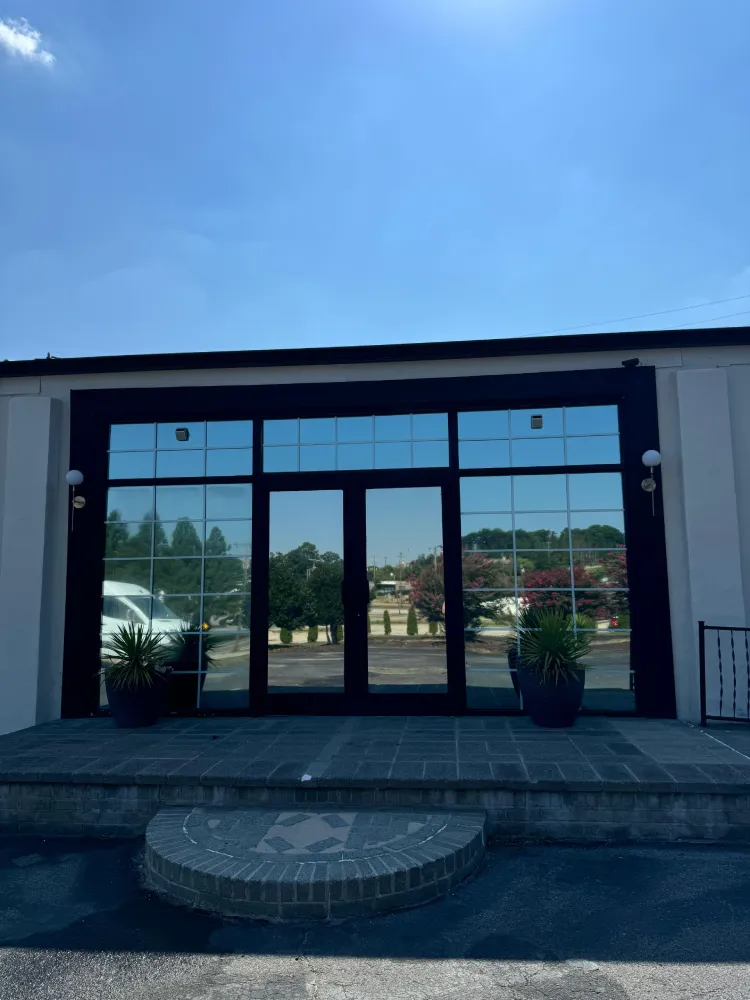
How Window Tinting Improves Energy Efficiency
Windows can allow significant solar heat into a property, increasing cooling demands during warm weather. Window film helps reduce this heat transfer by reflecting and absorbing solar energy before it enters the building.
Benefits include:
- Lower cooling costs
- More consistent indoor temperatures
- Reduced HVAC strain
- Improved comfort
- Protection against UV damage
For businesses with extensive glass areas, these improvements can contribute to better overall building performance.
Choosing the Right Window Film
The best window film depends on the property’s needs.
Consider:
- Building type: Homes and businesses require different performance levels.
- Sun exposure: Windows facing direct sunlight may require stronger solar control.
- Privacy goals: Some spaces need additional privacy without losing daylight.
- Appearance: Films should complement the building’s design.
- Professional installation: Proper application ensures better durability and results.
During a consultation in Converse Heights, homeowners evaluated window film options to reduce afternoon heat while keeping natural light. A commercial project in Hillbrook focused on improving employee comfort by reducing glare. Properties near Downtown Spartanburg have also benefited from window film solutions designed to improve efficiency and appearance.
Myth: Darker Window Tint Always Performs Better
A common misconception is that darker window tint provides better heat rejection.
In reality, film performance depends on technology, materials, and specifications rather than darkness alone. Modern films can reject heat and UV rays while maintaining visibility and natural light.
Choosing a film based only on appearance may prevent property owners from selecting the best option for their needs.
Why Professional Installation Matters
Professional installation helps ensure the window film performs properly and maintains its appearance over time.
Experienced installers understand glass compatibility, proper preparation, and application techniques that help prevent bubbling, peeling, and premature failure.
For customers considering Spartanburg SC business window tinting, professional guidance ensures the selected film matches the property’s requirements and delivers reliable performance.
Why Choose United Film Solutions?
United Film Solutions provides professional window film solutions designed to improve comfort, efficiency, and protection for residential and commercial properties.
The team focuses on quality materials, careful installation, and personalized recommendations based on each property’s unique needs. Their commitment to preserving your investment helps homeowners and businesses achieve long-lasting results.
Trusted by automotive enthusiasts and luxury car owners, United Film Solutions brings the same attention to detail and craftsmanship to every window film project.
Contact United Film Solutions Today
Whether you need improved comfort at home or better efficiency for your commercial property, the right window film can make a noticeable difference.
If you are considering commercial window tinting, contact United Film Solutions to discuss your goals and explore professional window film options. Their team can help you choose a solution that reduces heat, controls glare, protects interiors, and preserves your investment.
Contact Us today at United Film Solutions to discover the benefits of professionally installed window tinting.
People Also Ask
Is residential window tinting different from commercial window tinting?
Yes. Residential films focus on comfort and privacy, while commercial films are designed for energy efficiency, glare reduction, and larger building applications.
Does window tint help reduce energy costs?
Yes. Window film reduces solar heat gain, which can help lower cooling demands.
Does window tint block UV rays?
Quality window films block significant amounts of UV radiation, helping protect interiors from fading.
Can window tint make a building too dark?
No. Many modern films reduce heat and glare while allowing natural light to enter.
How long does window film last?
With professional installation and proper care, premium window films can provide years of reliable performance.