
For commercial properties and managed architectural spaces, glass clarity is more than an aesthetic preference; it is a matter of asset preservation. Understanding the physical and chemical properties of glass during maintenance prevents long-term substrate degradation and keeps architectural investments pristine.
- Total Dissolved Solids (TDS): A precise measurement of the mobile charged ions, including minerals, salts, and hard metals, dissolved in a given volume of water, calculated in parts per million (ppm). Standard tap water regularly carries a TDS reading over 200 ppm, which causes immediate mineral spotting upon evaporation.
- Deionization (DI) Filtration: A specialized chemical water treatment process that utilizes ion-exchange resins to strip out all mineral salts. This yields high-purity water with a certified TDS reading of 0 ppm, turning the water into a natural solvent.
- Hydrophilic Glass Action: A surface state where water sheets uniformly across smooth glass rather than splitting into isolated droplets, allowing for complete, spotless rinsing without residual spotting.
- Squeegee Vulcanization: The industrial heat treatment process used to harden premium rubber blades. This ensures a perfectly straight, razor-sharp edge capable of peeling fluid off the glass cleanly with zero tracking marks.
The Four-Stage Sequence That Generates Post-Cleaning Window Streaks
When glass is cleaned using traditional consumer methods, the process often redistributes contaminants rather than removing them. This failure cycle follows a predictable sequence that results in a cloudy, streaked appearance.
- Contaminant Binding: The Chemical Saturation Phase.
Standard detergents or consumer-grade sprays are applied to the window pane, immediately mixing with pre-existing dust, atmospheric soot, pollen, and natural oils.
- Fluid Particle Capture: The Microscopic Suspension Phase.
The soapy solution breaks down the surface dirt, holding these fine particles suspended within a wet layer pooled across the face of the glass.
- Accelerated Carrier Evaporation: The Rapid Volatilization Phase.
High ambient heat or direct solar exposure forces the liquid water or alcohol carrier to evaporate rapidly before a cloth or towel can manually collect the fluid.
- Solid Residue Bonding: The Crystalline Precipitation Phase.
Left without a liquid suspension medium, the soap polymers and heavy minerals drop out of the fluid matrix and crystallize instantly on the glass surface, forming visible streaks.
Fluid and Tool Comparison Matrix: Consumer DIY vs. Professional Grade Systems
The tools and fluids applied to commercial windows dictate both the optical clarity of the pane and the safety of the underlying material. The comparison matrix below outlines the differences between standard consumer setups and elite commercial glass management systems.
| Operational Factor | Consumer DIY / Traditional Cleaning | Elite Commercial Pure-Water Systems |
| Fluid Mineral Profile | High TDS tap water (typically 150–300+ ppm) loaded with calcium and magnesium | Ultra-pure deionized water filtered to a certified 0 ppm TDS level |
| Mechanical Drying Method | Absorbent paper towels or cotton rags that shed lint and leave static friction | Vulcanized surgical rubber squeegees or high-airflow water-fed pole systems |
| Static Charge Generation | High, dry buffing creates a static pull that actively draws ambient dust back to the pane | None; pure-water rinsing leaves a neutral, uncharged surface that stays clean longer |
| Window Film Chemical Compatibility | Poor; common ammonia-based sprays chemically degrade solar and safety films | Perfect; neutral, additive-free water completely protects expensive films |
Debunking the Myth: “Using More Soap and Vigorous Newspaper Scrubbing Yields a Cleaner Shine”
A persistent myth in the property management and maintenance industry is that increasing the soap concentration and scrub energy will yield a brighter, cleaner glass surface. Many believe that if a little soap removes dirt, a heavy lather will dissolve stubborn road film faster. Additionally, using old newspaper remains a common recommendation for removing streaks.
In reality, heavy concentrations of surfactants create a significant problem. Soap does not disappear when it dries; it leaves an invisible, sticky film over the glass. This chemical layer acts like a magnet for airborne dust, exhaust fumes, and pollen, causing the windows to get dirty twice as fast after cleaning.
Furthermore, using crumpled newspaper introduces severe risks. Modern newsprint is highly abrasive, and the wood-fiber structure combined with chemical inks can permanently scratch delicate solar control or privacy window films. Once a film is micro-scratched by aggressive scrubbing, its appearance is compromised, and the damage cannot be reversed without an expensive replacement.
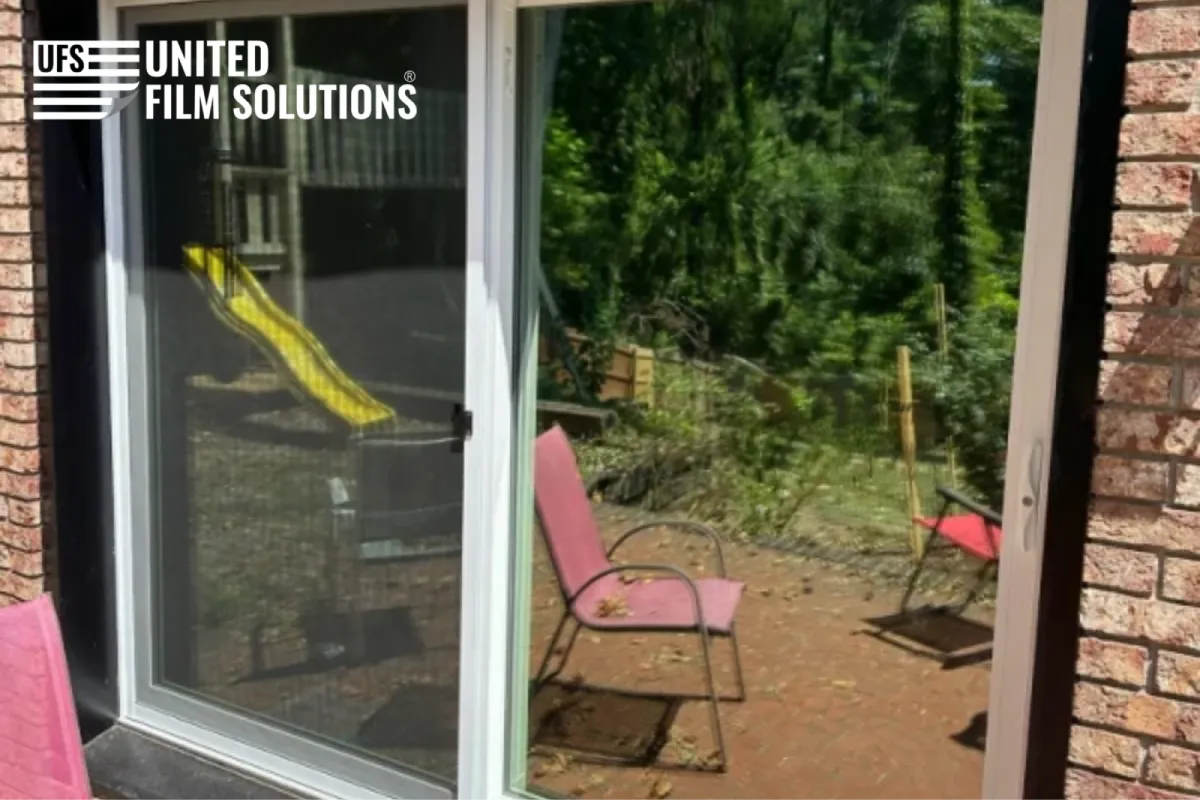
Applying Our Advanced Surface Protection Systems to Solve This
At United Film Solutions, we approach commercial glass maintenance with the precision of a professional contractor rather than a traditional cleaning crew. Our science-based specification process allows us to evaluate every glass surface, existing window film, and environmental condition before selecting the safest cleaning method. Through a zero-pressure consultation, we provide property owners and facility managers with clear recommendations focused on long-term performance instead of short-term sales.
Our routine maintenance scheduling for commercial properties helps maintain a consistent exterior presentation while using safe techniques that protect glass and film. Every service is performed with film-safe cleaning methods that protect your window film investment with compatible cleaning, preserving surface protection and supporting your building’s comfort and energy performance. Guided by professional contractor standards, we deliver long-term results without rework, giving you a trusted partner you can call back whenever your property requires dependable commercial glass care.
Strategic Glass Maintenance and Regional Environmental Challenges
Commercial buildings throughout the Southeast are exposed to hard water, seasonal pollen, airborne dust, humidity, and changing weather conditions that gradually reduce glass clarity and leave behind stubborn mineral deposits. Without routine maintenance using the proper techniques, these contaminants can affect your property’s appearance, reduce natural light, and shorten the lifespan of specialty window films.
Choosing window washing in Spartanburg, SC gives property owners a dependable solution for maintaining spotless, professional-looking glass throughout the year. At United Film Solutions, we create customized maintenance schedules based on your building’s size, exposure to the elements, and operational needs, ensuring consistent results while minimizing disruptions to your business.
Routine window washing in Spartanburg services does more than improve curb appeal; it helps preserve architectural glass and compatible window films by using pure-water systems and film-safe cleaning methods that eliminate residue without damaging protective surfaces. This proactive approach supports a brighter interior environment and helps maintain your property’s professional image.
Investing in Spartanburg window washing is a practical way to protect your commercial property’s long-term value while presenting a clean, welcoming appearance to customers, tenants, and employees. With experienced technicians and structured maintenance plans, your facility can continue looking its best through every season.
Secure Optical Purity with Elite Exterior Glass Management
Relying on untrained cleaning services or harsh household chemicals can lead to permanent mineral scale buildup, scratched panes, and degraded solar window films. At United Film Solutions, we use professional-grade methods and pure-water cleaning systems to protect your glass while preserving its clarity and performance. Our structured approach helps maintain the professional appearance, energy efficiency, and long-term asset value of your commercial facility.
Keep your commercial real estate pristine, uniform, and highly energy-efficient. Contact us today. Whether your project involves routine multi-story window cleaning, specialized film protection, or extensive commercial solar film integration, trust a partner that delivers exceptional results without the guesswork.
People Also Ask
Why do paper towels leave streaks on glass?
Paper towels often leave behind lint and spread dirt instead of removing it completely, which causes streaks and a hazy appearance. A clean microfiber cloth is much more effective for achieving a clear, streak-free finish.
Why does hard water leave permanent spots on windows?
Hard water contains minerals such as calcium and magnesium that remain on the glass after the water evaporates. If left untreated, these deposits can gradually etch the surface and become difficult or even impossible to remove with standard cleaning.
Can a squeegee be used on windows with solar control film?
Yes. A clean, high-quality rubber squeegee paired with an ammonia-free, film-safe cleaner can safely clean windows with solar control film without scratching the surface or damaging the protective coating.
What weather conditions are best for professional window washing?
Cool, overcast days with little wind provide the best conditions. The cleaning solution dries more slowly, giving technicians enough time to remove dirt and water completely, resulting in a clearer, streak-free finish.